
LESS MAY BE MORE
921 East Franklin St.
Kenton, OH 43326
christine.davis@ohiohealth.com


Discover Latest Blog Posts
WEATHER
CONSIDERATIONS
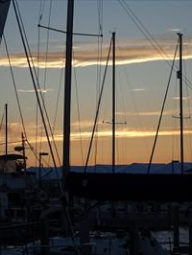
After the owner of Jacobson’s Marina in Frankfort called Lyle yesterday to recommend not traveling to Frankfort today, the group discussed and collected forecast and wind information. Read More…

SHIFT
WORK ISSUES
It may be no surprise to hear that working night shifts might result in sleep issues. However, a new study reports on just how prevalent sleep problems are. Dutch researchers wrote in . Read More…
WEATHER
CONSIDERATIONS
After the owner of Jacobson’s Marina in Frankfort called Lyle yesterday to recommend not traveling to Frankfort today, the group discussed and collected forecast and wind information. Read More…
SHIFT
WORK ISSUES
It may be no surprise to hear that working night shifts might result in sleep issues. However, a new study reports on just how prevalent sleep problems are. Dutch researchers wrote in . Read More…
WEATHER
CONSIDERATIONS
After the owner of Jacobson’s Marina in Frankfort called Lyle yesterday to recommend not traveling to Frankfort today, the group discussed and collected forecast and wind information. Read More…
SHIFT
WORK ISSUES
It may be no surprise to hear that working night shifts might result in sleep issues. However, a new study reports on just how prevalent sleep problems are. Dutch researchers wrote in . Read More…