Social vs Medical Model of Disability
 Esther Chan Mar 31, 2024 2 min read
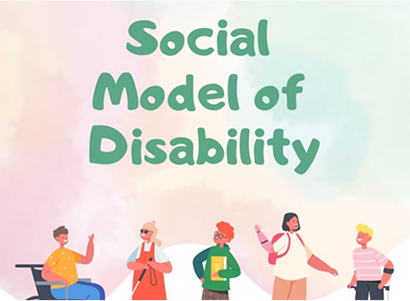
Before I became a psychologist in Australia, I spent over a decade as a special education teacher in Malaysia. My time in Australia has significantly reshaped my values, particularly regarding individuals with disabilities, largely influenced by the “Social Model of Disability” and the emerging “Neurodiversity” movement in Western societies. Allow me to elaborate.
Previously, disabilities were predominantly viewed through a medical lens, where those deviating from the norm were labeled as “disabled.” This perception implied that individuals not conforming to the standards of the majority needed to rectify themselves to fit in. However, who determines that conformity equates to correctness, while deviation is inherently wrong?

Expanding on this perspective, let’s reconsider the situation of autistic individuals (or those with ADHD or other learning disabilities). Traits such as difficulty with speech, avoidance of eye contact, or repetitive behaviors are often stigmatized. But who decides what constitutes “correct” communication or play? Why must the majority’s standards dictate social interaction?
While bridging the gap between neurotypical individuals and those with autism is crucial, it’s a shared responsibility. We shouldn’t expect autistic individuals to conform without reciprocating acceptance. I acknowledge that these ideas might be challenging for some in the Asian community, as I once struggled with similar sentiments. I don’t ask for immediate agreement but encourage an open-minded understanding.